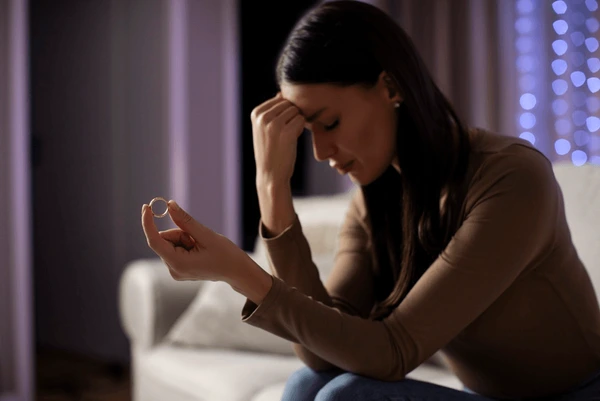
Develop body acceptance and challenge negative body image beliefs.
About This Service
You have spent years at war with your body. It is possible to call it a truce, and eventually, find peace.
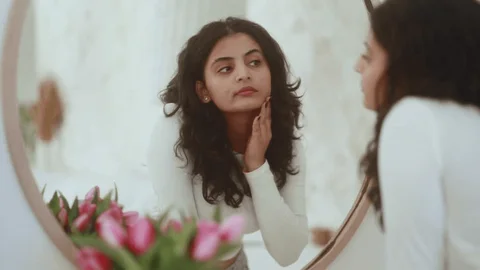
Body image is how you see yourself when you look in the mirror, and more importantly, how you feel about what you see. For many women, this relationship is one of the most painful they carry. Not because their body is actually what they fear it to be, but because years of messages from family, from media, from partners, from a culture obsessed with certain bodies and contemptuous of others, have distorted the lens through which they see themselves.
In India, body image concerns are shaped by specific pressures: the fairness obsession, the relentless commentary on weight at family gatherings, the matrimonial advertisements that specify height and skin tone, and the collision of traditional beauty standards with social media’s global comparison machine. Women are simultaneously told to be thin, fair, tall, and modest and evaluated daily on how close they come to these impossible standards.
In therapy, we create space for women whose relationship with their body is causing real suffering. It is affecting their confidence, their relationships, their enjoyment of food, their willingness to be seen, or their ability to be present in their own life. You do not need to have a diagnosable eating disorder to deserve support with how you feel about your body.
Symptoms and Concerns We Address
What a painful body image can look like
MIRROR AVOIDANCE OR FIXATION
Either avoiding mirrors entirely, or checking and rechecking your body obsessively because you’re unable to trust what you see
CONSTANT APPEARANCE MONITORING
Being preoccupied with how you look throughout the day – sucking in, covering up, adjusting, and unable to just be in your body
AVOIDANCE OF SITUATIONS
Not going to the beach, the gym, the party, or getting photographed because of how you feel about how you look
SKIN TONE DISTRESS
Shame, anxiety, or significant distress about skin tone in a culture where fairness is still weaponised against women
WEIGHT AND SHAPE PREOCCUPATION
Your mood and self-worth rises and falls with the number on a scale, or how your clothes fit, or how you compare to others
SHAME ABOUT SPECIFIC FEATURES
Obsessive focus on a particular body part – nose, stomach, thighs, arms, where the body part feels impossible to accept or stop thinking about
IMPACT ON INTIMACY
Being unable to be present during physical intimacy because of self-consciousness, or avoiding intimacy altogether
FOOD AND BODY ENTANGLEMENT
Using food restriction, exercise, or other compensatory behaviours in an attempt to feel better about your body without lasting relief
Our Therapeutic Approach
Moving from a body you endure to a body you can inhabit
Body image work is not about learning to love everything about your appearance. It is about building a relationship with your body that is no longer the source of your greatest suffering. Here is how we approach it:
- Understanding the origins of your body image
We trace where your current relationship with your body came from – the comments made in childhood, the comparisons drawn in adolescence, or the cultural messages absorbed over years. Understanding how the distress was built is the beginning of dismantling it. - CBT for body image distortion and negative thought patterns
We work on the automatic thoughts you have about your body, “I am too fat,” “I am too dark,” “no one would want this body” and examine their accuracy, their origins, and their cost. Thoughts are not facts, even when they feel like permanent truths. - Challenging cultural beauty norms
In India specifically, body image distress is inseparable from cultural messaging. We work on developing a more critical, discerning relationship with the standards you have internalised and question their source, their arbitrariness, and their authority over your self-worth. - Reducing avoidance and safety behaviours
Covering up, cancelling plans, avoiding mirrors, wearing only certain clothes- all these behaviours maintain the distress by reinforcing the belief that the body cannot be tolerated. We address them gradually and gently. - Building body respect and functional appreciation
We work toward a relationship with your body grounded in what it does rather than only how it looks. We acknowledge your body’s strength, its resilience, its capacity to feel pleasure and carry you through your life. This shift is slower than a mindset change, but more lasting. - Separating self-worth from appearance
The deepest body image work is identity work. We will gently work to build a sense of self that is not contingent on how your body looks on a given day. This is slow, foundational, and among the most liberating work therapy can offer.
If your body image concerns are entangled with disordered eating, extreme restriction, or purging behaviours, please also look at the Eating Disorders service page. These concerns often overlap and are best addressed together within a coordinated care approach.
What to Expect
Starting this work
- A first session free of any evaluation of your body
You will not be weighed, measured, or assessed physically. The first session is about understanding your experience of your body, which is what actually needs to change, not the body itself. - Honest about the difficulty of this work
Body image is one of the slower areas of change in therapy because it is deeply tied to identity and to a lifetime of reinforced messages. We will be honest with you about the pace, and we will celebrate real progress rather than a performance of it. - No diet talk, no weight goals, no appearance-based targets
The goal of this work is not for you to look different. It is for you to suffer less around how you look. These are not the same thing, and the distinction matters enormously. - Meaningful relief within 3–6 months
Most women notice a genuine reduction in the time and mental energy consumed by body image preoccupation within the first few months of consistent work. The body does not change but its power over your daily experience begins to. - Online
Available via video call, wherein for many women, the relative anonymity of the online format makes it easier to show up and talk honestly about something as personal as how they feel about their body.