
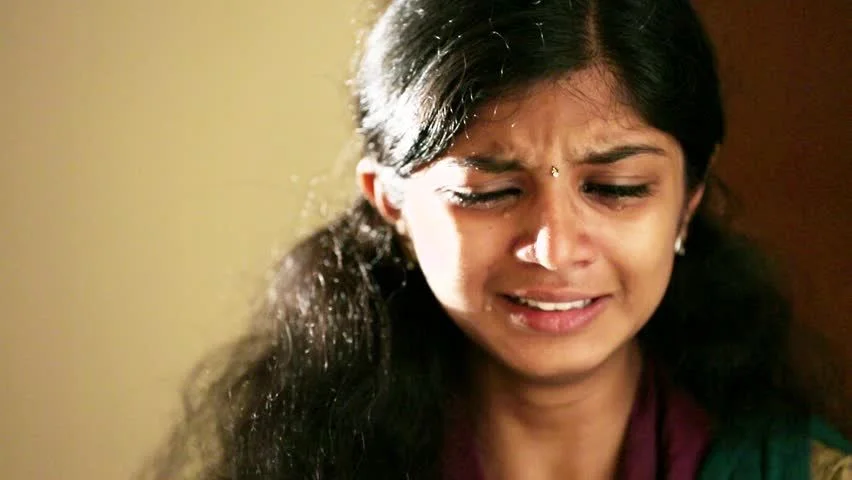
Compassionate support through grief and bereavement
About This Service
Grief is not a problem to be solved.
It is love with nowhere left to go.
and it deserves to be honoured, not hurried.
Grief is one of the most universal and least supported of all human experiences. When someone we love dies, or when we lose something that gave life meaning, such as, a relationship, a role, a version of ourselves, a future we had planned – then we enter a territory that is rarely talked about honestly, and even more rarely given the time and space it requires.
In India, grief is often surrounded by prescribed rituals that focus on ceremony but leave the internal emotional experience largely unacknowledged. Women, in particular, are frequently expected to organise the grief of others by managing the household, supporting the children, holding the family together, while their own grief goes unwitnessed and unexpressed. Being asked “have you not gotten over it yet?” three months after a significant loss is a common experience. It should not be.
This therapy is for women in any stage of grief – be it recent loss or long-standing, processed or still frozen, following a death or a different kind of ending. Loss does not follow a timeline. Grief is welcome here whenever it arrives.
Symptoms and Concerns We Address
What grief can look and feel like:
ACUTE GRIEF
Raw, overwhelming sadness in the immediate aftermath of a loss – you experience the waves, the disbelief, the physical ache of absence
PROLONGED GRIEF
Grief that has not softened over time as expected – remaining intense, consuming, or disabling many months or years after the loss
COMPLICATED GRIEF
Grief entangled with complicated feelings toward the person lost – unresolved conflict, ambivalence, anger, relief, or guilt
DISENFRANCHISED GRIEF
Grief that others do not recognise as legitimate – the death of a pet, a miscarriage, a friendship, an estrangement, or a life that never came to be
ANTICIPATORY GRIEF
Grieving a loss before it happens – living with the knowledge of a terminal illness, declining cognitive function, or an ending that has not yet come
GRIEF AND DEPRESSION
Grief that has shifted into clinical depression – the inability to find any lightness, withdrawal from life, and hopelessness that persists
LOSS OF IDENTITY
The profound disorientation of losing a role or relationship that was central to who you were – no longer a wife, a daughter, a colleague, a parent in the same way
SECONDARY LOSSES
All the smaller losses that follow the primary one – of routine, of shared memories, of financial security, of social world – that accumulate into a weight of their own
Our Therapeutic Approach
Creating space for grief and gently, in time, for what comes after
- Witnessing before processing
The first and most important thing grief requires is to be witnessed. Before any techniques or frameworks, we simply create space for you to bring the full weight of your loss and to have it received without minimisation, advice, or silver linings. - Understanding your grief
Grief is not a single experience. We explore what this particular loss means to you – what has been taken, what remains, what the person or thing meant in your life. We focus on building a fuller picture of what you are actually grieving. - Working with complicated emotions
Grief is rarely pure sadness. Relief, anger, guilt, regret, ambivalence, all are common and all are legitimate. We work with the full, sometimes contradictory emotional landscape of your loss without insisting it conform to a simpler narrative. - Addressing prolonged or complicated grief
Where grief has become stuck or complicated, we use evidence-based approaches specifically designed for prolonged grief. We work carefully with what has prevented the natural movement of mourning. - Rebuilding meaning and identity
Major losses often require rebuilding a sense of who you are and what your life is for. We work slowly, at your pace, towards a world that makes sense again, and a self that can carry the loss without being defined by it. - Continuing bonds
Modern grief work does not ask you to let go. It works toward a changed, ongoing relationship with the person or thing you lost. Our therapy sessions honour what it meant to you while allowing you to remain present in your current life.
Grief has no correct timeline. Some women need a few months of focused support; others return across years, at significant anniversaries or life transitions when grief resurfaces. This space is here whenever you need it.
What to Expect
Coming to grief counselling:
- A first session with no agenda except your loss
We begin by simply hearing about the person or thing you have lost – who they were, what happened, and what life has been like since. There is no structure imposed on this. You lead. - No timeline, and no stages to move through
Grief does not follow the five-stage model. You will not be told you should be in acceptance by now, or that anger comes before bargaining. Your grief will be followed, not directed. - Complete confidentiality
What is shared in grief counselling, including the complicated feelings that come with the loss of someone others remember only positively, stays entirely within this space. - Allowed to bring the person with you
Talking about the person you have lost – their character, your shared history, what you miss, what you are angry about – is entirely welcome here. Grief counselling is not about moving away from the person. It is about learning how to carry them. - Online therapy
Our sessions are available via video call and for many women in grief, the ability to be in their own home, surrounded by their own things, makes it easier to speak honestly about their loss.