
Evidence-based treatment for alcohol and drug addiction.
About This Service
Addiction is not a character flaw. It is a response to something dand it can be unlearned.
Alcohol and drug use rarely begins as an addiction. It often begins as relief seeking behaviour – relief from stress, from pain, from relationships that feel impossible, or from a self that feels inadequate. Over time, what started as a way of coping becomes the thing that needs to be coped with.
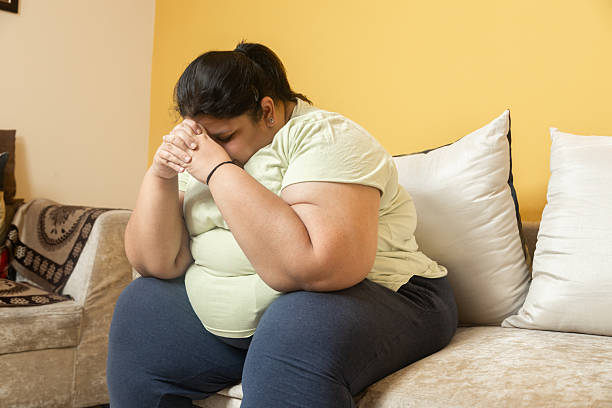
Substance use disorders are still heavily stigmatised in India, particularly for women. A woman who drinks too much or uses substances is judged far more harshly than a man in the same situation. This shame is one of the biggest barriers to seeking help and one of the first things we address in this counselling space.
Therapy for women who are concerned about their relationship with alcohol or other substances is done with utmost professionalism and empathy. Whether you are in the early stages of recognising a problem, in the middle of one, or seeking support to maintain recovery after a period of sobriety, you do not need to have hit “rock bottom” to deserve help. If it is causing you distress, it is enough of a reason to seek therapy.
Symptoms and Concerns We Address
What brings women to this space:
ALCOHOL DEPENDANCE
Drinking more than intended, inability to cut down, drinking to manage emotions or get through the day
DRUG USE AND MISUSE
Recreational drug use that has become habitual, or misuse of prescription medications including sleep aids and sedatives
USING TO COPE
Turning to substances to manage anxiety, depression, relationship stress, loneliness, or trauma
LOSS OF CONTROL
Intending to stop or cut back and being unable to, feeling the shame and confusion that this cycle creates
iMPACT ON DAILY LIFE
Substance use affecting work performance, relationships, parenting, health, or finances
HIDING AND SECRECY
Concealing use from family members, lying about the amount consumed, or drinking alone
SHAME AND SELF-DISGUST
Deep shame about substance use and feeling “weak,” “out of control,” or that you are letting people down
rELAPSE AND RECOVERY
Support for maintaining sobriety, processing a relapse without abandoning recovery, or rebuilding after a period of heavy use
Our Therapeutic Approach
Understanding what the substance is doing for you. Then, building something better and positive to replace it.
Effective addiction counselling does not shame or lecture. It gets curious. Here is how we approach this work:
- Motivational Interviewing (MI)
MI is an evidence-based approach that helps you explore your own ambivalence about change, without pressure or judgment. We work with wherever you are, not where we think you should be. - Understanding the roots of use
We look honestly at what the substance has been doing for you. What pain it has been managing and what need it has been meeting? We do this because sustainable recovery requires addressing the underlying cause, not just the behaviour. - Cognitive Behavioural Therapy for addiction
CBT helps identify the triggers, thought patterns, and situations that drive substance use. This technique then helps us build specific, practical strategies for each trigger. We work on craving management, relapse prevention, and create healthier responses to stress. - Addressing co-occurring issues
Substance use rarely exists alone. We work on the depression, anxiety, trauma, relationship stress, or grief that is entangled with the addiction. Treating only one part rarely produces lasting change. - Shame reduction and self-compassion
Shame is one of the most powerful drivers of continued use. We work explicitly on dismantling the self-disgust and building a relationship with yourself that makes recovery feel worth it. - Relapse prevention and long-term recovery
We build a personalised relapse prevention plan. We identify high-risk situations for you, then recognise early warning signs, and finally, build a concrete response strategy. A slip does not have to mean a return to where you started. We’ll have a way to tackle that.
For women with severe physical dependence, medical detoxification may be required before or alongside psychological work. We work collaboratively with addiction psychiatrists and physicians to ensure safe and integrated care.
What to Expect
What this counselling space offers
- A first session completely free of judgment
You can tell the truth here about how much you use, about the times you have tried to stop, about what has and has not worked. There is no version of your story that will be met with shock or disapproval. - Harm reduction as a valid goal
Recovery does not always mean complete abstinence from day one. We work with your actual goals. Whether that is reducing use, managing it better, or working toward full sobriety. We do not impose a one-size-fits-all timeline. - Complete confidentiality
What you share about your substance use stays in this room. The stigma women face around addiction in India is real, and your privacy is protected absolutely. - Support through the difficult stretches
Early recovery is hard. We build in extra support for the periods when cravings are strongest and work on what to do when everything in you wants to use. - Online sessions available
Our therapy session is available via video call. This is important for women whose family members do not know they are seeking help, or who live in areas where in-person support is not accessible.