
Compassionate support for the emotional impact of living with endometriosis.
About This Service
Years of pain and years of not being believed. That takes a toll on the mind.
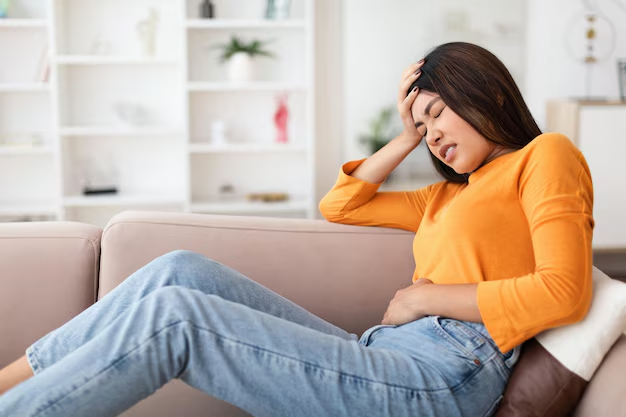
Endometriosis causes chronic pain, severe periods, and often fertility challenges. In India, women with endometriosis wait years before receiving a correct diagnosis. In that time, many are told their pain is normal, that they are being dramatic, or that they need to manage their stress better.
Living with undiagnosed or undertreated endometriosis is a sustained trauma. It disrupts work, relationships, sexuality, and identity. Even after diagnosis, the psychological effects of years of chronic pain and medical dismissal do not simply disappear.
We provide therapy for women navigating the emotional weight of endometriosis, whether you’re newly diagnosed, have put years into managing it, or are still searching for answers.
Symptoms and Concerns We Address
What living with endometriosis can do to your mental health
CHRONIC PAIN AND MOOD
There is direct link between sustained pain and depression, anxiety, and emotional exhaustion
MEDICAL TRAUMA
Grief and anger from years of being dismissed, misdiagnosed, or not believed by healthcare providers
HEALTH ANXIETY
Hyper-vigilance about symptoms, fear of disease progression, or dread before procedures
FERTILITY GRIEF
Fear or confirmed challenges around conceiving, and the grief that comes with that reality
SEXUAL PAIN & INTIMACY
Pain during sex and its impact on your relationship with your body, your sexuality, and your partner
WORK AND DAILY LIFE
The toll of managing a demanding condition alongside career, family, and social obligations
IDENTITY & CONTROL
Feeling that the condition controls your life, or grief over the life you might have had without it
RELATIONSHIP STRAIN
Partners who struggle to understand, or families that minimise the pain
Our Therapeutic Approach
Trauma-informed, pain-aware, and built around your reality
- Processing medical trauma and dismissal
We acknowledge and work through the anger, grief, and loss of trust from years of not being believed. This is often the first and most important step. - Chronic pain psychology
Pain and the nervous system are deeply linked. We use evidence-based approaches for living well with chronic pain, reducing its amplification by anxiety and rebuilding a sense of agency. - Acceptance and Commitment Therapy (ACT)
ACT helps build a relationship with the condition that is neither denial nor surrender. We aim to move towards a meaningful life, even in the presence of pain. - Addressing sexual pain and intimacy
We work sensitively on the psychological dimensions of pain during sex such as fear, avoidance, and other impacts on your relationship, often alongside a pelvic physiotherapist. - Health anxiety work
For women whose attention is heavily consumed by symptom-monitoring, we work on recalibrating toward fuller engagement in daily life. - Advocacy and communication
We figure out how to communicate your needs clearly to doctors, partners, and workplaces without fighting for every appointment or justifying your pain each time.
Endometriosis is best managed as a team. We work collaboratively with gynaecologists, pelvic physiotherapists, and pain specialists. We address what they cannot, and support what they do.
What to Expect
What our safe counselling space offers you
- A first session where your experience is believed, fully
You will not need to justify your pain or prove that endometriosis is serious. That is already understood here. - Pacing that respects your capacity
Chronic illness affects energy. Sessions are paced accordingly. We do not push harder on bad-pain days. - A long-term relationship if you need one
Some women work with us over years – checking in during flares, after surgeries, or when life chapters change the demands of managing the condition. - Practical tools alongside emotional work
A personal toolkit for pain flares, difficult medical appointments, and conversations with your partner that you carry long after sessions end. - Online sessions always available
On high-pain days, travelling is not an option. Online sessions mean you never have to choose between your health and your support.